

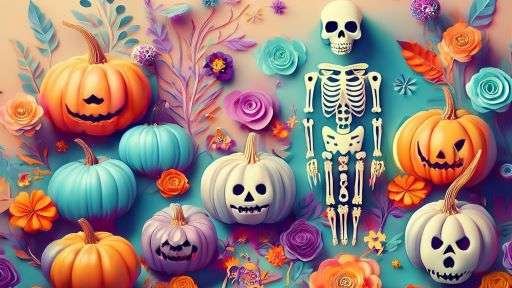
Halloween (or All Hallows’ Eve), All Saints’ Day and All Souls’ Day (or the Day of the Dead)
“Discover how Halloween or All Hallows’ Eve (as it’s really called) has evolved over the centuries to bridge ancient rituals with modern-day festivities. And discover the origins and meanings behind All Saints’ Day and All Souls’ Day or the Day of the Dead…
It’s nice to have a bit of fun on Halloween. I actually quite like fancy dress and cute kids trick-or-treating. Carving out a pumpkin and getting a big bowl of sweets ready for any ghoulish guests has become a bit of a household tradition in my family and there’s nothing wrong with telling a ghost story or two…
It’s interesting though like so many ancient traditions how Halloween or All Hallows’ Eve (as it’s really called) has evolved over the centuries from a mixture of folklore, medieval customs, and popular culture to blend religious, cultural, and now, of course, rather commercial practices all together in one big cauldron or melting pot!
Want to discover more about the real origins of Halloween then read on…
Modern Halloween Traditions
In essence, Halloween is both a night of remembrance and a cultural celebration, bridging ancient rituals with modern-day festivities. Although it still retains some of its traditional associations with the supernatural and the mysterious, there is no doubt that modern Halloween has become more of a fun, community holiday, especially in North America.
The truth is though All Hallows’ Eve, is really the evening before All Saints’ Day (or All Hallows’ Day) on November 1. Traditionally, All Hallows’ Eve marks a time of remembering the dead, including saints (or “hallows”), martyrs, and all the faithful departed. Rooted in both Christian and older Celtic traditions.
Origins and History Celtic Festival of Samhain
The roots of All Hallows’ Eve though go back to the ancient Celtic festival of Samhain, which marked the end of the harvest season and the start of winter. Celts believed that on October 31, the veil between the living and the dead was thinnest, allowing spirits to visit the earthly realm. To ward off harmful spirits, people would light bonfires and wear disguises. This is probably where our modern fancy dress spin-off on Halloween originates from.
The Origins of All Saints’ Day
With the spread of Christianity, the church then established All Saints’ Day (also called All Hallows’ Day) on November 1 as a day to honour saints and martyrs. October 31 then became “All Hallows’ Eve,” the vigil before the holy day.
The origins of All Saints’ Day date back to the early centuries of Christianity. Initially, Christians set aside specific days to honour martyrs who had died for their faith. As Christianity spread and the number of recognised saints grew, the church established a single day to honour all saints collectively. In the 7th century, Pope Boniface IV formally dedicated a day for this purpose, and in the 9th century, Pope Gregory IV set the date for November 1.
The Spiritual Meaning of All Saints’ Day
It’s a much lesser-known day nowadays but historically All Saints’ Day was an important date in the religious calendar to commemorate all the saints and martyrs who led lives of compassion, selflessness, and faith. The day is still observed by several Christian denominations, including Roman Catholic, Eastern Orthodox, Anglican, and some Protestant traditions, although customs and emphasis may vary. In essence, All Saints’ Day is a celebration of the lives of the saints, intended to inspire Christians to emulate these virtues and live a faithful life and to remember that they, too, are part of a greater spiritual family.
All Saints’ Day emphasizes the following key themes:
• Reminder that we are all spiritually connected
• Inspiration to discover our own virtues
• Remembrance and gratitude of those who have come before us
• Celebration of the spiritual legacy left by the pure of heart
• Hope in salvation so we can all eventually join the Saints in heaven!
All Saints’ Day Traditions
On All Saints’ Day, Christians often attend church services where prayers are offered to honour the saints and ask for their intercession. In many Catholic traditions, All Saints’ Day is considered a holy day of obligation, meaning that the faithful are encouraged or required to attend Mass.
Other customs include:
• Lighting candles in memory of loved ones and saints.
• Visiting cemeteries to honour deceased family members (especially in countries like Spain, Mexico, and the Philippines.)
• Special prayers and hymns dedicated to the saints.
All Souls’ Day or the Day of the Dead
All Saints’ Day is followed by All Souls’ Day on November 2, a day to pray for all the faithful departed who have not yet attained sainthood. Together, these two days form a time of remembrance, known in some cultures as the Day of the Dead, and honour both the holy saints and those who have passed on from this life.
The Day of the Dead, or Día de los Muertos, is really a Mexican and Latin American holiday that honours deceased loved ones by celebrating their lives and memories. Families create altars, or ofrendas, adorned with photos, marigolds, candles, and favourite foods of the departed to welcome their spirits back to the earthly realm. Traditions include decorating graves, sharing meals, and using sugar skulls and skeletons to joyfully symbolize life’s connection with death. Far from a sombre event, this vibrant holiday transforms remembrance into a celebration, reflecting on death as a natural part of life and keeping the memories of loved ones alive across generations.
Meaning and Significance of the Day of the Dead
The Day of the Dead carries deep meaning beyond remembrance. It is a reflection on the cycle of life and death, a way to confront mortality with acceptance and joy. For families, it’s also a time of reunion, where the living feel connected to loved ones who have passed. The holiday conveys that death is not an end but a transformation, and that those who have passed continue to live on in spirit and memory. Through its vibrant traditions, Día de los Muertos transforms grief into a celebration of love, ensuring that the legacies and memories of loved ones are cherished across generations.

ABOUT THE AUTHOR…
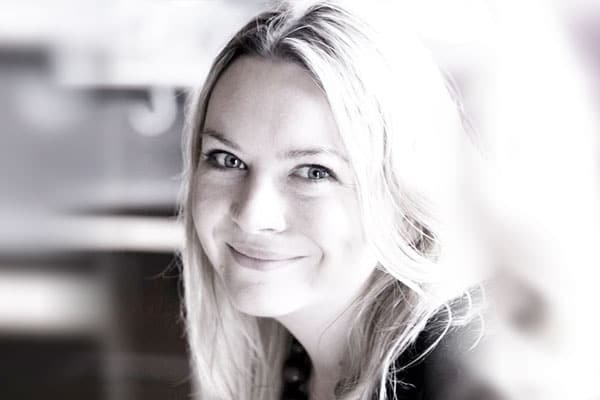
As well as being a writer & creative, Jane Eggleton is an experienced and fully qualified Integrative Therapist, Clinical Hypnotherapist, NLP Practitioner and transformational Coach.
Jane is also the Founder and Director of the Wisdom Room: a holistic therapy practice that helps people from all walks of life, across the globe. Her personal passion is to help people reconnect with their own Inner Wisdom and release any hidden fears and her professional aim is to help clients regain their sense of well-being, quickly, safely, and in a sustainable, independent manner.
You can also find Jane on Instagram or Follow her on Facebook or email Info@wisdomroom.co.uk
CLICK HERE To Make An Enquiry Today
Want to find out more? Why not have a 1-2-1 Online or In-Person Therapy Session with Jane at the Wisdom Room…