


Anxiety can feel overwhelming, but it can be manageable
“Anxiety doesn’t always show up in obvious ways. Sometimes it’s loud and consuming, other times it’s quiet and persistent but either way, it can leave you feeling stuck…”
The truth is, anxiety isn’t something you have to simply “live with” or push aside. While it may feel powerful in the moment, there are practical, effective ways to manage it – tools that help you regain control, steady your mind, and create a sense of calm.
In this Wisdom Room guide, we’ll explore five simple yet powerful strategies that actually work – helping you move from overwhelm to clarity, one step at a time…

Anxiety can manifest in many different ways
Anxiety often has a way of sneaking into our lives quietly then suddenly feeling overwhelming. Whether it shows up as racing thoughts, a tight chest, or that constant sense of “something’s not quite right,” it can make even simple moments feel heavy.
The good news? Anxiety is manageable. Not with quick fixes or unrealistic promises, but with small, practical strategies that genuinely work when practiced consistently.
Here are five effective ways to overcome anxiety and regain a sense of calm and control.
Ground Yourself in the Present Moment
STEP 1: Ground Yourself in the Present Moment
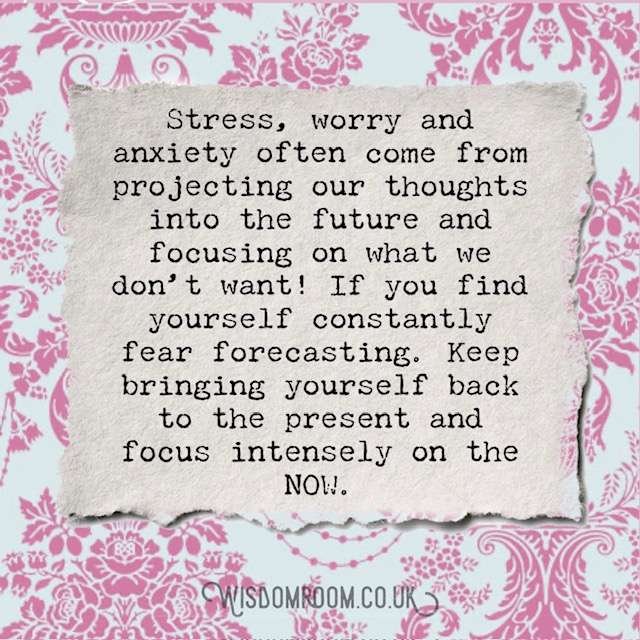
Anxious thinking thrives on “what if.” What if something goes wrong? What if I fail? What if I’m not enough?
Grounding techniques pull you out of that spiral and back into the present.
Try the 5-4-3-2-1 method:
Notice 5 things you can see
Notice 4 things you can touch
Notice 3 things you can hear
Notice 2 things you can smell
Notice 1 thing you can taste
This simple exercise helps your brain shift from fear mode to awareness mode super fast.
Breathe Like You Mean It
STEP 2: Breathe Like You Mean It
When anxiety hits, your breathing often becomes shallow and quick, which tells your body something is wrong – even if it isn’t.
Flip that signal.
Try this:
• Inhale for 4 seconds
• Hold for 4 seconds
• Exhale for 6 seconds
Repeat for a few minutes. Slower exhales signal safety to your nervous system, helping your body settle down naturally.
Challenge Your Thoughts (Gently)
STEP 3 Challenge Your Thoughts (Gently)
Limiting anxious thoughts often feel true but that doesn’t mean they are.
Instead of fighting them, question them:
• “Is this thought 100% true?”
• “What evidence do I actually have?”
• “What would I say to a friend in this situation?”
Remember you’re not trying to silence your mind – you’re simply teaching it to be more realistic and less catastrophic.
Move Your Body (Even a Little)
STEP 4 Move Your Body (Even a Little)
You don’t need an intense workout to reduce anxiety. Movement itself is the key.
A short walk, stretching, or even pacing your room helps:
• Release built-up stress hormones
• Improve mood
• Break cycles of overthinking
If you can get outside into nature, do.Think of it as giving your anxiety somewhere to go.
“Would you like somemore personal one-to-one support. Then contact Jane @ The Wisdom Room – A space for clarity, growth, and inner peace.”
Create Small Pockets of Control
5. Create Small Pockets of Control
Anxiety often comes from feeling out of control. So instead of trying to control everything, focus on what you can control.
Start small:
• Make your bed
• Drink water
• Write a short to-do list
• Tidy one area
These tiny wins send a powerful message to your brain: I’ve got this.
Final Thoughts
Final Thoughts
Sometimes clients say to me ‘How do I completely get rid of all my anxiety?’ But the truth is, overcoming anxiety isn’t about eliminating it completely – it’s about learning how to respond when it shows up.
Some days will be easier than others, and that’s okay. The key is not to fall into overwhelm or paralysis.
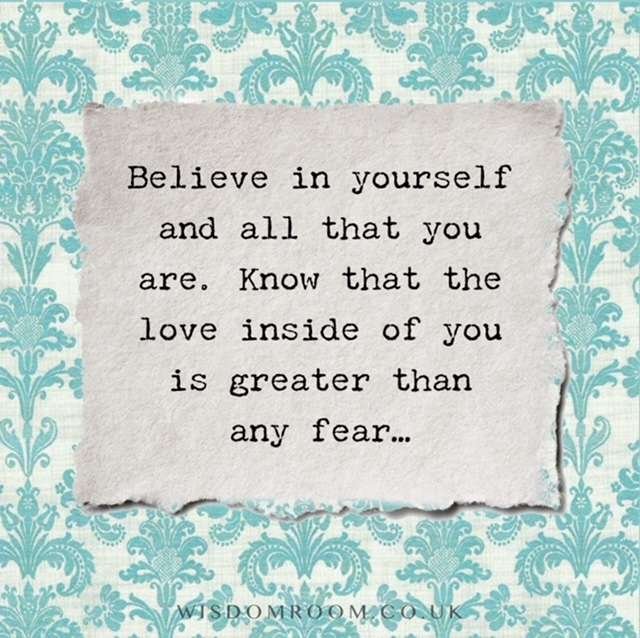
What matters is this: every time you pause, breathe, question a thought, or take a small action, you’re building resilience. You’re teaching your mind and body a new way to exist – one that isn’t ruled by fear.
Start with one strategy today. Not all five. Just one.
That’s how real change begins.
Want to find out more? Why not have a 1-2-1 Online or In-Person Therapy Session with Jane at the Wisdom Room…
CLICK HERE To Make An Enquiry Today

ABOUT THE AUTHOR…
As well as being a writer & creative, Jane Eggleton is an experienced and fully qualified Integrative Therapist, Clinical Hypnotherapist, NLP Practitioner and transformational Coach.
Jane is also the Founder and Director of the Wisdom Room: a holistic therapy practice that helps people from all walks of life, across the globe. Her personal passion is to help people reconnect with their own Inner Wisdom and release any hidden fears and her professional aim is to help clients regain their sense of well-being, quickly, safely, and in a sustainable, independent manner.
You can also find Jane on Instagram or Follow her on Facebook or email Info@wisdomroom.co.uk

Find out more on the Hypnotherapy for Anxiety Page

Can Hypnotherapy help with Anxiety?
YES! Integrative Therapy and Hypnotherapy can help you feel less anxious by addressing the root causes of your anxiety and teaching you relaxation techniques.
Hypnotherapy for Anxiety can help in the following ways:
1. Identify Triggers: Explore the specific situations or thoughts that trigger your anxiety. Understanding these triggers is the first step in managing anxiety.
2. Relaxation: Hypnotherapy for Anxiety often involves inducing a state of deep relaxation. This can help reduce overall stress and anxiety levels.
3. Reframe Negative Thoughts: Jane may work with you to change negative thought patterns and replace them with more positive and constructive ones, which can alleviate anxiety.
4. Visualization: Hypnotherapy for Anxiety can help you visualize yourself in calm and confident situations, promoting a sense of control and reducing anxiety.
5. Desensitization: For phobias or specific anxieties, Hypnotherapy for Anxiety can assist in gradually exposing you to the feared object or situation in a controlled and less anxiety-provoking manner.
6. Coping Strategies: You can learn effective coping strategies, such as visualization, relaxation techniques or self-hypnosis, to manage stress in daily life.
7. Behavioral Changes: Hypnotherapy for Anxiety can assist in changing behaviors contributing to stress, like smoking or overeating.
8. Increased Resilience: Hypnotherapy may boost your emotional resilience, helping you handle stressors more effectively.
9. Improved Sleep: Some people use hypnotherapy to improve the quality of their sleep, as it can help with relaxation and reducing insomnia.
10. Enhanced Mindfulness: Hypnosis can promote mindfulness and mental clarity, which can lead to a more relaxed state.
11. Muscle Relaxation: Hypnotherapy for Anxiety can guide you to relax your muscles, which can physically release tension and contribute to an overall sense of relaxation.
12: Improved Breath Work: Hypnotherapy may include techniques to help regulate your breathing, slow your heart rate, and instill a sense of calm.
Hypnotherapy for Anxiety is often used as part of a broader integrative treatment plan that may include other therapeutic techniques. Every appointment at the Wisdom Room is tailored to the individual’s specific needs.
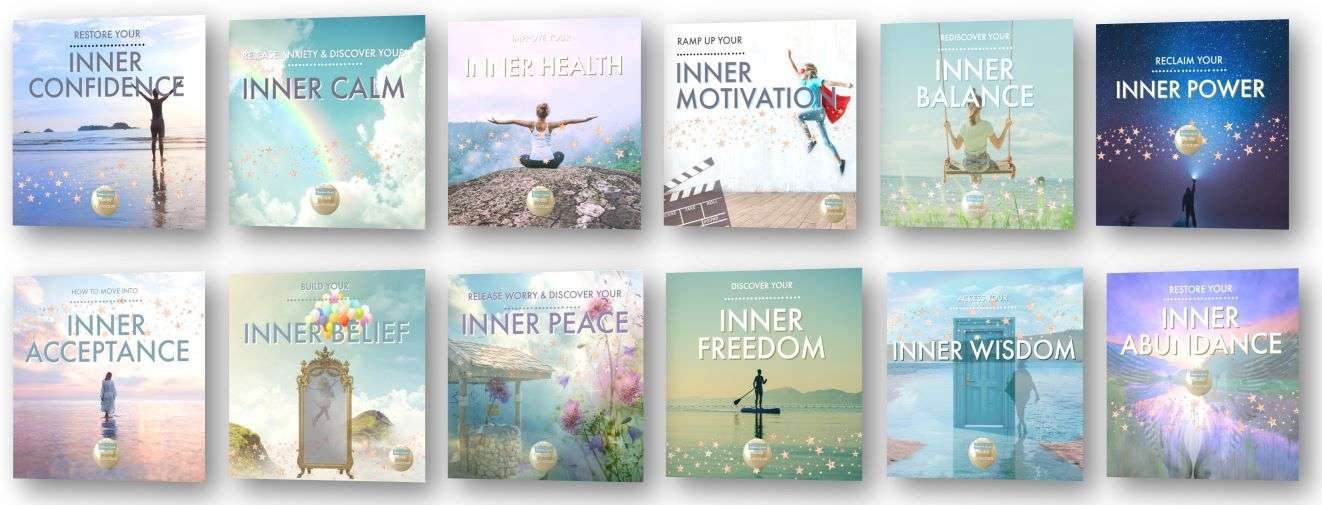
Download Relevant Wisdom Room Hypnotherapy MP3s

Discover More FREE Wisdom Room Advice & Articles